
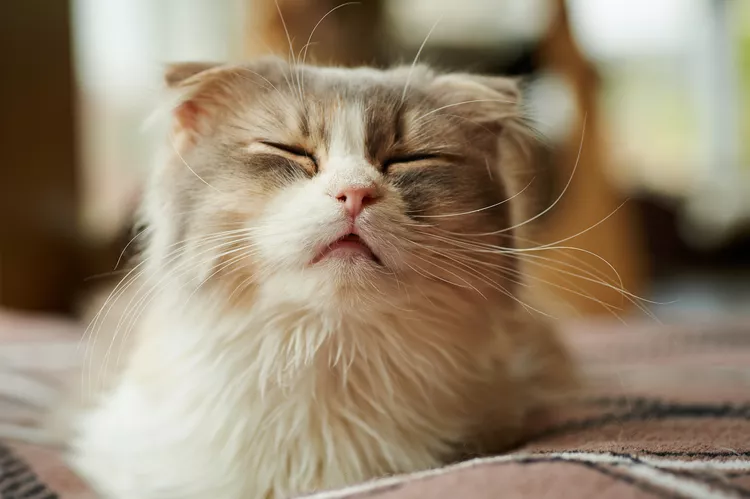
Allergies are nearly as common in cats as they are in people. Foods, airborne irritants, and chemicals can trigger reactions that affect cats' airways, eyes, skin, and gastrointestinal tracts. Some allergic reactions are merely uncomfortable, while others can be life-threatening. Knowing what allergies cats can have, how to find out if your cat has them, and what you can do about them can help prevent problems.
What Are Allergies?
Allergies are hypersensitive immune responses to irritants in the air, food, or other substances. Common allergens (irritants that cause allergic reactions) in cats include dust, pollen, food additives, some food proteins, fleas, insect venom (bee stings), and household cleaners.
Symptoms of Allergies in Cats
Numerous irritants can trigger allergic responses in cats, and cats have varying responses to irritants, so they may only exhibit one of the following symptoms—or many of them.
Allergy symptoms that affect a cat's breathing are the most serious. Due to the body's response to an allergen, a cat may have difficulty breathing due to swelling of the face, throat, or nose. This swelling can cause coughing (especially if a cat already has asthma), gagging, wheezing, collapse, and ultimately death if not quickly addressed.
In addition to breathing issues, a cat may have runny eyes, a runny nose, and sneezing if it is exposed to an allergen that irritates the mucous membranes.
Itching, hair loss, redness and irritation of the skin, shaking the head, and chewing at the paws or tail may all also be seen in a cat with allergies. These symptoms are very common in cats with flea, food, or environmental allergies. The allergens cause inflammation and itchiness that make a cat chew its skin to relieve the discomfort. Hair loss and wounds may follow.
Finally, sometimes the gastrointestinal tract is affected by inflammation and irritation due to allergies. If this happens, symptoms of distress may include diarrhea and vomiting.
What Causes Allergies in Cats?
There are many things that cats can be allergic to, and most are readily found in and around our homes. In some situations, this can make it difficult to eliminate the cause of a cat's allergies.
Pollen
Tree, dust, grass, and weed pollens can all cause allergies in cats.
Food
Food allergies are the third most common type of allergies in cats. There are many types of food that a cat can be allergic to, but animal proteins such as chicken, beef, dairy, fish, and eggs are the most common culprits.
Fleas
Fleas are a common cause of allergy in cats, flea bites cause cats to have irritating allergic reactions including hair loss, redness, and itching. Even indoor-only cats can have fleas.
Medications
Cats can be allergic to flea medication, shampoos, and even vaccinations.
Cleaning Products
Detergents, floor cleaners, and disinfecting sprays can all cause allergies in cats.
Perfume
Strong perfumes and colognes can be irritating in their own right, but some cats have allergies to them.
Smoke
Just like other inhalants, some cats are allergic to cigarette smoke as well as other types of smoke.
Various Surfaces
Fabrics, rubbers, and plastics are all types of surfaces that a cat can be allergic to. Some beds, food dishes, and floor mats may be problems for cats that have allergies to these specific surfaces.
How Do Vets Diagnose Allergies in Cats?
It can be difficult to pinpoint what a cat is allergic to. Elimination diets and exclusion trials with different cleaning products, food dishes, beds, and medications may be necessary to discover what causes an allergic reaction if the trigger isn't obvious. Some blood and skin tests are available for detecting certain allergens.
Treatment for Allergies
Depending on what type of allergy your cat has, the treatment will vary. Eliminating the allergen from your cat's environment is ideal for treating the allergy. Antihistamines or other medications may be indicated for your cat depending on the severity of symptoms and the cause of the allergy.
Prognosis for Cats with Allergies
Dealing with allergies can be an ongoing challenge for cat owners, especially if the allergen is impossible to remove (pollen or dust, for instance). If the trigger is not completely eliminated, then some cats can be kept more comfortable with medication and may only suffer seasonally. An extreme allergic reaction, called anaphylaxis, can be fatal.
How to Prevent Allergies
There is no way to prevent a cat from developing allergies, but you can often help to limit its exposure to allergens. Keeping a clean home, purchasing dust-free and unscented cat litter, and using regular flea preventatives can help. Also, avoid excessive perfumes or deodorizers and smoking in the house. Giving your cat metal or ceramic food and water dishes can also help prevent your pet from having an allergic reaction. If you notice signs of allergies in your cat, it is best to consult with a veterinarian.