Most people are well aware of the dangers of UV exposure and being out in sun too long, but can cats get sunburned, too? Unfortunately cats, including indoor cats, can get sunburn that could lead to further skin damage and potentially cancer. Here's how to keep both indoor and outdoor kitties safe from the sun's rays.
Can Cats Get Sunburn?
Cats can be at risk of not just sunburn, but also skin damage that may be a predisposition to skin cancer. There are three different types of skin cancer in cats: malignant melanomas, squamous cell carcinomas, and mast cell tumors. While not all of these may be linked to sun exposure, it can be a leading cause.
Are Some Cats More Susceptible to Sunburn Than Others?
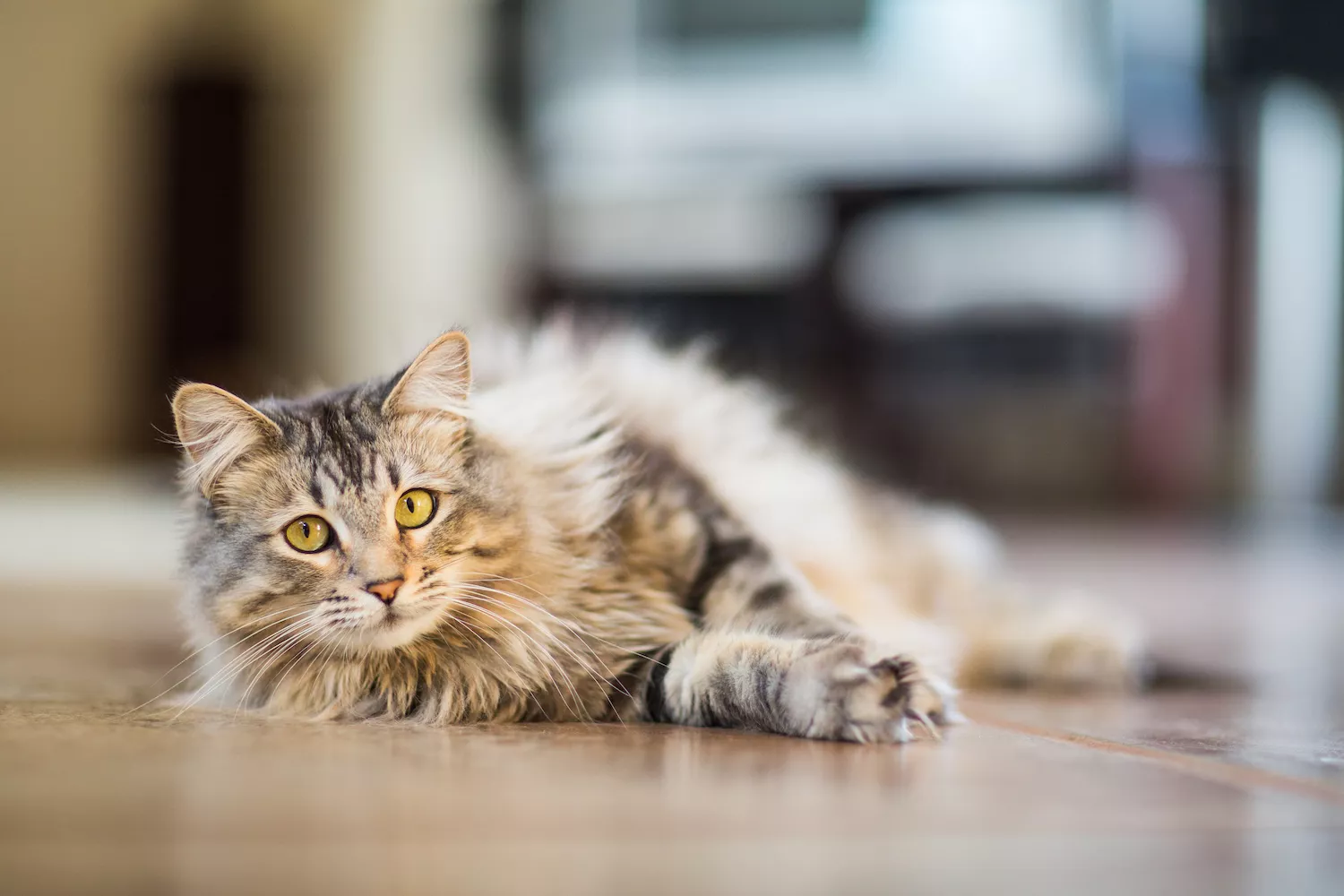
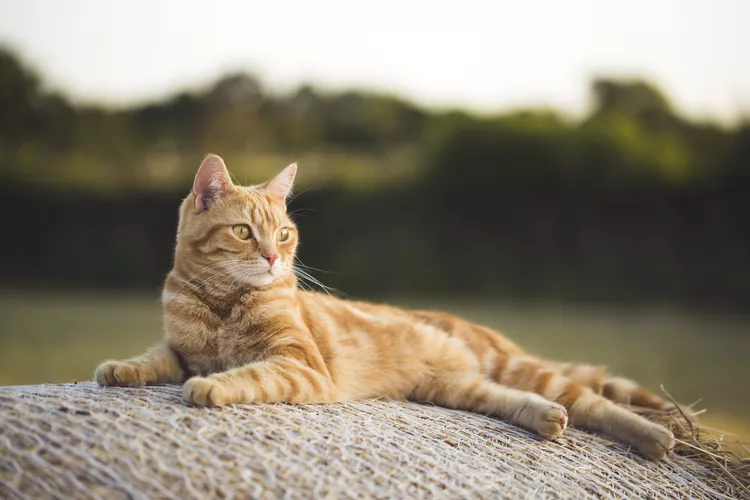
A cat’s fur can help protect them from the sun, just like clothes can protect our skin. Some cat breeds more susceptible to sunburn include hairless cats and those with thinner and/or lighter-colored coats, such as:
Of hairless breeds, white- and red-colored cats are more at risk than their lavender, black, and brown counterparts. The darker pigmented varieties can still get sun damage, though. Thin areas of your cat’s fur, such as the bridge of their nose or their ears and the skin above their eyes, are also more prone to sunburn in both furred and hairless cats. If you can see their pink skin under their thin fur, so can the sun. Hair loss from alopecia, an allergy such as flea allergy dermatitis, or even over-grooming can increase a cat’s risk for sunburn.
Cats can be susceptible to the sun's damaging rays indoors as well, so take proper precautions if your cat is more prone to sunburn.
How to Prevent Sunburn in Cats
Sunburns are not just painful and uncomfortable but can potentially lead to cancer, so your cat’s skin protection routine in mind if your cat ventures outside. The safest way to avoid sunburn is to limit your cat's time in the sun or in particularly sunny windows, especially at peak hours.
If your cat is hairless, consider using a cat-specific sunscreen to give their sensitive skin a sun barrier. Choose only cat-safe sunscreens because sunscreen formulated for people may contain salicylates and zinc oxide, which are toxic to cats. When ingested, salicylates may cause stomach ulcers and, in rarer instances, liver damage. Zinc oxide ingestion causes damage to red blood cells, anemia, and GI signs like vomiting, or can cause allergic reactions, such as hives and facial swelling.
When applying cat-safe sunscreen, pay special attention to the areas that may burn more quickly, including the bridge of the nose, tips of the ears, and anywhere else the skin pigment is lighter. Try to keep your cat occupied through play right after applying sunscreen so they don't lick it right off. Because cats groom by licking themselves, they most likely will ingest some of what is placed on their skin or coats, so avoiding bright sun or covering your cat in cat-specific clothing, like shirts and sweaters, is the safest option.
How to Treat Sunburn in Cats
If you notice a sunburn developing on your cat, bring them in the shade and out of the sun as soon as you can and have them assessed by a veterinarian. In the meantime, if your cat will tolerate it, a cool compress may alleviate any immediate discomfort. While aloe vera is commonly used for sunburns with people, the plant can be toxic to cats and is not recommended to use, due to cats' tendency to lick themselves. Aloe vera ingestion can cause GI upset, including vomiting and diarrhea.
If your cat has a severe burn that isn’t healing properly, they may need further care, or potentially a biopsy of non-healing skin to rule out cancer or other more serious skin conditions. Seek veterinary attention if your cat’s sunburn is severe or if it’s not getting any better.
New