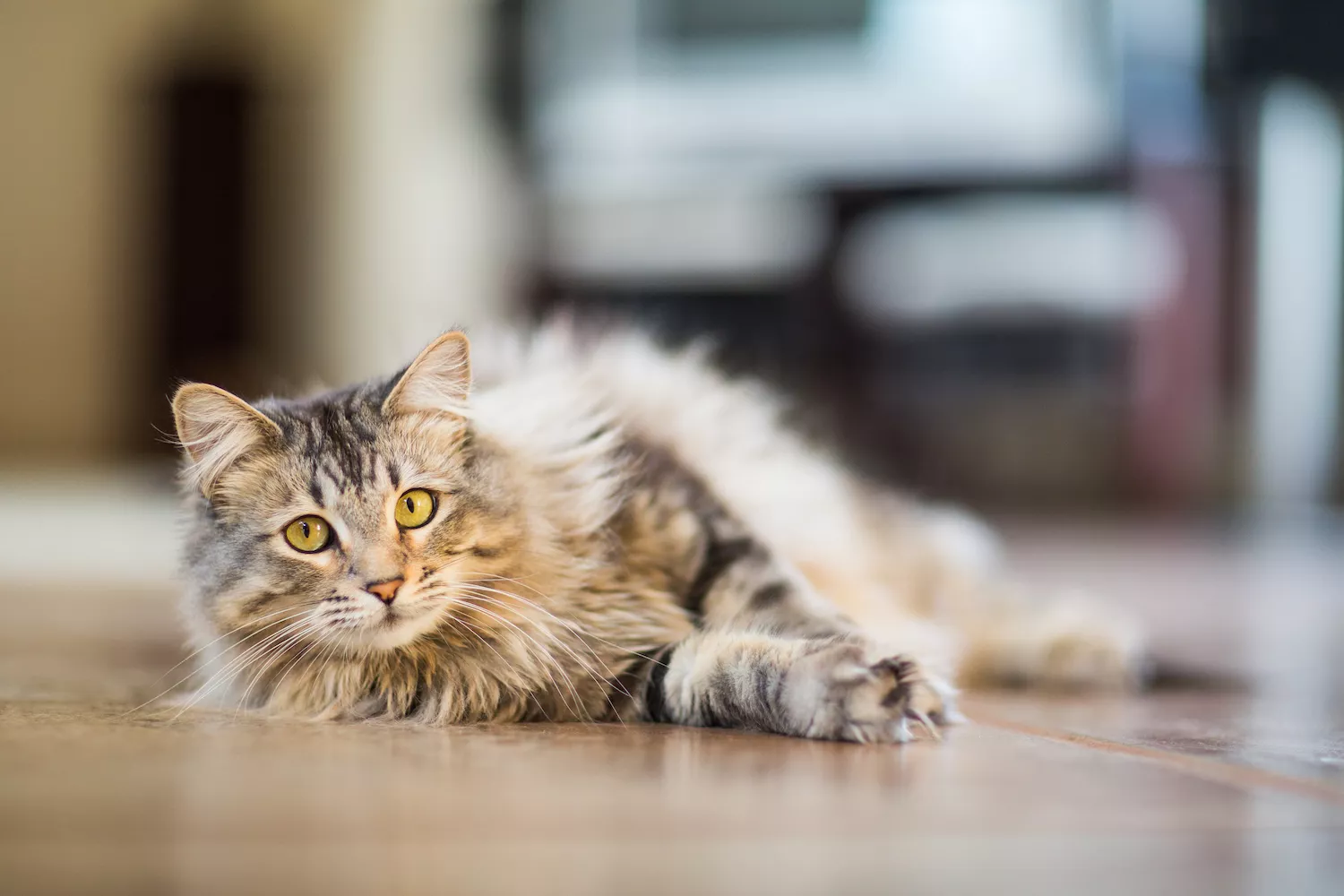
Cat drooling is normal when kitties are kneading or purring—they're just so relaxed. You may see some saliva or spit bubbles on the side of your cat's mouth when they're stressed or afraid. However, there are health issues that could cause cat drooling as well, such as exposure to a toxin, dental disease, or trauma to the mouth.
Determining the cause comes down to assessing the situation, knowing your cat, and involving your veterinarian when necessary.
Why Is My Cat Drooling?
It's common for some cats to drool while they are kneading or purring. Drooling is often a sign of relaxation and contentment that can be traced back to kittenhood. While nursing, kittens often knead their paws on their mothers to stimulate milk release. These behaviors result in a comforting and satisfying meal as well as a nurturing bond between mother and kitten. When cats reach adulthood, feelings of contentment often lead to kneading, which then stimulates drooling because of the connection to nursing. Purring often accompanies the kneading and drooling.
If your otherwise healthy cat is in your lap and starts "making biscuits" and purring, don't be surprised if some drooling occurs. This is perfectly normal and likely even one way that your cat shows you love.
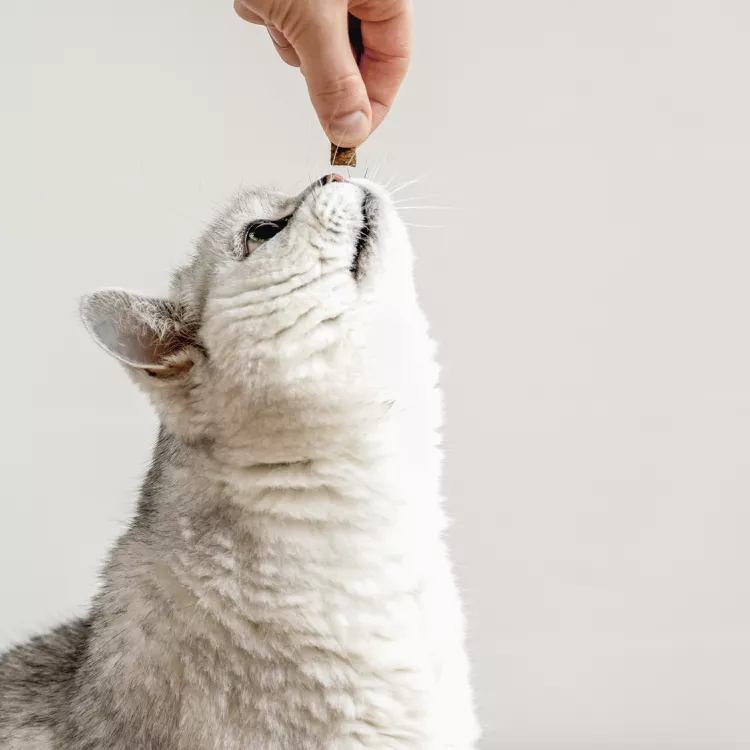
Unlike dogs, cats don't commonly drool at the sight of food. However, it can still happen. If your cat drools at the sight or smell of food, but not at other times, then it's probably nothing to worry about.
Stress or fear may cause a cat to drool temporarily, such as during car rides, vet visits, or loud events. If your cat seems extremely stressed regularly, it's a good idea to talk to your vet about options. If the drooling and stress are short-lived and stop on their own, then there is likely little cause for concern.
Abnormal Drooling in Cats
If your cat's drooling occurs constantly, it might be due to a health problem. This is especially the case if the drooling cannot be associated with contentment or food. All cats should be seen by the veterinarian at least once a year for routine wellness exams, even if they seem healthy. The vet can often detect problems before your cat shows signs.
If abnormal drooling occurs in between routine vet visits, you should contact your vet right away. Your cat may need to be seen for an examination. Several health issues can cause drooling in cats and require medical attention.
Oral and Dental Disease
Cats can develop various oral and dental issues that can go undetected until they cause extreme illness or pain. This pain often causes some excessive cat drooling. Mouth ulcers, tooth injuries, gum disease, resorptive lesions, and infections are some well-known causes of drooling in cats.
Your veterinarian will examine your cat's mouth to look for signs of dental and oral issues. If dental disease is seen, your vet will likely recommend professional dental cleaning with possible tooth extractions. This procedure must be done under general anesthesia.
Medications like antibiotics may be necessary to address your cat's dental and mouth issues.
Nausea
A cat who is nauseous or has been vomiting will often drool a lot. Nausea and vomiting in cats can have many causes, such as internal parasites, kidney disease, and gastrointestinal conditions. If your cat seems nauseous, is vomiting, or has a poor appetite, it's best to see the vet.
After the examination, your vet may recommend laboratory work to get a better look at organ function, blood cells, and urine content. The results can help determine the next steps for diagnostics and treatment options.
Foreign Body
If your cat has something stuck in his mouth, it is likely to cause drooling. A string is a common oral foreign body, but other possibilities include toy parts and even grass. If you see a string hanging out of your cat's mouth, do not pull it out. The string may be wrapped around something in the stomach or intestines and pulling can cause major damage. Instead, get to the nearest open vet office or emergency clinic.
Toxin Exposure
Cats that have licked, chewed on, or ingested a poisonous substance can develop excess salivation. This includes poisonous plants, caustic chemicals, and toxic foods. Some topical toxins, such as pesticides or flea and tick preventatives not meant for cats, can cause drooling as well. If you suspect your cat has been exposed to something toxic, bring your cat to the nearest open veterinarian right away.
Trauma
Injuries to the mouth can often lead to excessive salivation. Cats who have chewed on electrical cords might suffer oral burns that lead to drooling. A cat who has been hit by a car may have a broken jaw that causes drooling. Cats that have oral injuries from cat fights often drool. You may not be able to see evidence of an injury on the outside, but the drooling is a sign that you should see the vet.
If your cat is drooling and you can't find an obvious normal reason, contact your veterinarian. Cats are experts at hiding illnesses. They often do not show there is a problem until they feel very sick. When in doubt, don't wait. Call the vet.
New