
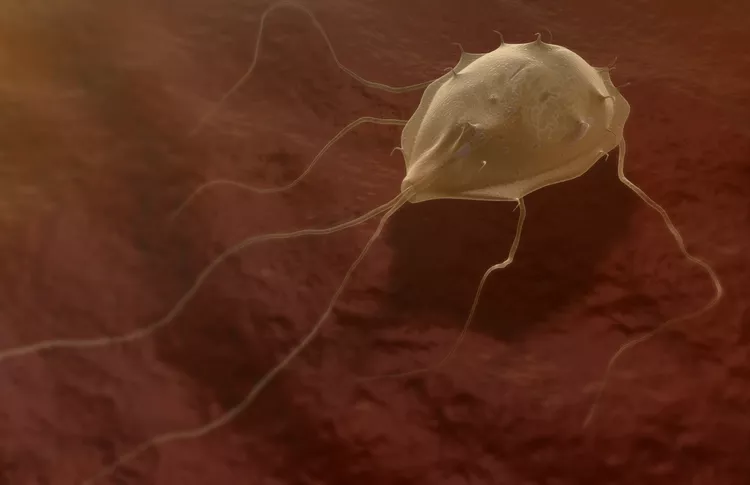
Not all cat owners may be familiar with giardiasis, but this infectious disease can cause serious symptoms when our feline friends experience it. Caused by the ingestion of a parasite, various genotypes of Giardia can infect cats, dogs, and even humans. Thankfully, giardiasis in cats is not usually contagious to other species. While this condition is treatable, it can be difficult to eradicate and often spreads quickly among groups of cats in homes, shelters, or catteries.
Cats typically experience diarrhea, although other symptoms like vomiting, lethargy, dehydration, and weight loss are possible. Giardiasis has symptoms similar to those of other intestinal diseases, so it must be diagnosed and treated by a veterinarian. Cats almost always recover fully from giardiasis. However, kittens or adult cats with underlying conditions may find it harder to recover.
What Is Giardiasis?
Giardiasis is a parasitic disease that occurs when cats eat, drink, or smell something that is contaminated by Giardia duodenalis, a tiny single-celled parasite that infects the small intestines of its host animal.
The severity of the disease is variable, but it can cause serious illness in some infected cats. Most healthy adult cats do not experience severe symptoms from ingesting the parasite. However, giardiasis is highly contagious among cats in close living conditions and requires frequent sanitization procedures by owners to eradicate.
Symptoms of Giardiasis in Cats
Not all cats infected with Giardia become sick. Similar to cases of other common feline parasites, young kittens are more vulnerable along with adult and senior cats that have weakened immune systems. Giardiasis symptoms may be indicative of a number of other medical conditions (including IBD and cancer). Only a veterinarian can make an accurate diagnosis through examination and testing. If your cat does experience symptoms from ingesting Giardia, the following may occur:
Diarrhea
The most common symptom of giardiasis in cats is diarrhea, often with sudden onset and sometimes chronic. Diarrhea may be foul-smelling. Stools can be bloody, green in color, or accompanied by mucous or flatulence.
Vomiting
Many diseases that affect the intestines can cause vomiting. Vomiting happens in fewer cases of feline giardiasis than diarrhea, but it is possible in some cats.
Lethargy
Owners may observe lethargic behavior in cats that have ingested Giardia. Your cat's normal energy levels can decrease significantly, and it might groom itself less. Lethargy is common in cats and other animals during periods of sickness similar to humans.
Dehydration
Dehydration may occur alongside vomiting and diarrhea. If your cat is not drinking enough water to maintain normal hydration levels while experiencing these symptoms, supportive care from your veterinarian may be required. This often includes treatments of IV fluids.
Weight Loss
Weight loss can be hard for owners to notice unless the cat's weight drops significantly, but your veterinarian can determine whether your cat's weight is normal. This commonly happens with a loss of appetite.
What Causes Giardiasis in Cats?
Giardia undergoes two stages: a motile (swimming) stage and a cystic stage. Giardia cysts are the primary means of transmission from host to host. These cysts are hardy, resistant to both freezing and to chlorination of water, and can live for several months if not dried out or exposed to sunlight. This makes the spread of Giardia difficult to manage, as it can affect cats in a variety of situations. Cats can ingest Giardia and become infected through the following causes.
Shared Litter Boxes
Giardia cysts are excreted (shed) in the feces of an infected cat, then picked up when ingested by other cats sharing litter boxes. The Giardia then makes its way to the small intestines of cats where it can cause a wide range of symptoms.
Living with Asymptomatic Cats
Not all cats infected with Giardia will become sick. Cats may host the organism for several years while passing it on to other cats (before showing any clinical signs of giardiasis). An immune-suppressant factor, such as FIV, FeLV, or overall debilitation may hasten the onset.
Crowded Conditions
Giardia can sometimes wreak havoc in catteries, shelters, and some multi-cat households. In any situation where a large number of cats share space, owners and caregivers should take extra precautions to sanitize litter boxes, food and water bowls, and frequented areas often.
Outdoor Contamination
Cats with outdoor access may ingest the Giardia organism by drinking water from a stream or pond, particularly in agricultural areas.
How Do Vets Diagnose Giardiasis in Cats?
Giardia cysts can be identified in a fecal smear under a microscope. Since cysts are shed in stools sporadically, several different fecal samples may be needed for positive identification. Special stains may be needed, as the organism can sometimes be elusive.
Vets may need to use a zinc sulfate flotation solution, though they may also be able to see the Giardia on a smear. Another tool for identifying Giardia is called an ELISA test. This test looks for the presence of antibodies to Giardia in the cat's feces. Since Giardia can be hard to diagnose, a cat with giardiasis symptoms may be treated for Giardia even without a definitive diagnosis on the basis of medical history and symptoms.
How to Treat Diardiasis
Giardiasis is often treated with metronidazole, but there are several other oral medications available including fenbendazole. Because cats are very small, the pills are usually split, making them taste bitter; it is possible to find cat-friendly formulas that make the flavor less bitter. Severe diarrhea and vomiting can cause dehydration, which is dangerous for cats, it may be necessary to take special steps to be sure your cat is properly hydrated during recovery.
Along with treating cats to remove the infestation, owners need to take consistent steps to treat the cat's living environment at home. Use a mixture of chlorine bleach (1-2 cups diluted in 1 gallon of water) to disinfect surfaces around the house. Some household cleaners including Lysol can also be used, although pet owners should confirm with their veterinarian that the cleaner of their choice is effective on this specific parasite.
Prognosis for Cats with Giardiasis
Most cats can fully recover from giardiasis, which typically takes between two and four weeks. However, young kittens and adult cats with other illnesses can experience more severe symptoms. If your cat is immunocompromised or undergoing another disease, take special care to follow your veterinarian's instructions very closely (including veterinary appointments for follow-up testing after treatment). Giardiasis can be fatal in some cases.
How to Prevent Giardiasis
Giardiasis cannot always be prevented by cat owners, but a few steps can be taken to limit your cat's risk of exposure to Giardia:
Disinfect Litter Boxes Frequently
Scrupulous scooping, cleaning, and disinfecting of litter boxes will help prevent the spread of Giardia to other cats. A mixture of chlorine bleach and water may be effective for litter boxes, and some catteries advocate steam cleaning of all surfaces where Giardia cysts might be present.
Limit Outdoor Exposures
Outdoor cats can be more likely to ingest Giardia in contaminated water. If your cat lives outdoors or frequently goes outside, take care to monitor the development of any symptoms closely. Owners with cats at risk of serious infection (kittens or those with other diseases) should limit outdoor exposures by keeping these cats in a safe, disinfected environment inside.
Prevent Reinfection
If you do have a cat infected with giardiasis, it's important to prevent reinfection. Wash your cat frequently and keep it isolated until all symptoms have cleared up. Disinfect food and water bowls, litter boxes, and household surfaces frequently.
Is Giardiasis Contagious to Humans?
There is a human form of giardiasis which, like feline giardiasis, is also caused by drinking contaminated water. In fact, Giardia is the most common form of traveler's diarrhea.
There are eight Giardia genotypes (A through H). Dogs are most often infected with genotypes C and D, while cats are usually infected with F. Humans are also vulnerable to giardiasis, and can be infected with types A and B. Because cats usually have type F, it is uncommon for strains to be passed from cats to people. However, in rare instances, cats can contract strain A or B, so owners should use proper sanitation procedures throughout any infections of pets. Wash your hands thoroughly with soap and water after cleaning litter boxes and before handling food or touching your mouth.