
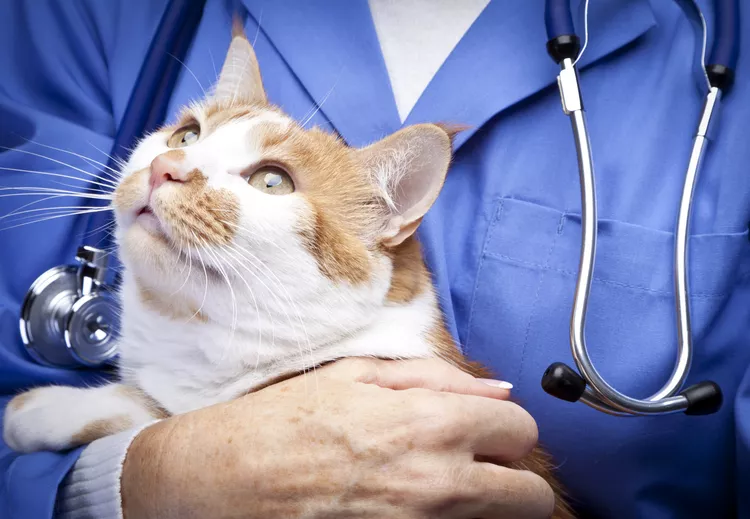
Kidney disease is a general term for many conditions that may affect kidney function in cats. The most common form of kidney disease in cats is called chronic kidney disease, a slowly progressive condition with gradual loss of function of the kidneys over time. Regular kidney function screening on routine bloodwork and urine tests should be part of your cat's regular check-ups.
Here's everything to know about the signs, causes, and treatment of kidney disease in cats.
What Is Kidney Disease in Cats?
Kidney disease is a general term for any condition that affects the kidneys and results in decreased kidney function. The kidneys play a vital role in the body and are responsible for filtering the blood. This includes removing toxins and waste products that are then excreted as urine while preserving important balances of electrolytes and water to maintain hydration and normal blood pressure. The kidneys also secrete important compounds that help maintain blood pressure and stimulate red blood cell production.
Many diseases can impact the kidneys and lead to a temporary or permanent reduction in their function. This includes short-term problems such as infections, kidney stones, traumatic injuries, and/or certain toxins. Sometimes, the kidneys can recover completely from these conditions and they return to normal function. Other times, these conditions cause permanent damage that might reduce kidney function and lead to a condition called chronic kidney disease.
Symptoms of Kidney Disease in Cats
Depending on the underlying cause of the kidney disease, signs may vary, especially if a cat has acute or chronic kidney disease. The main symptoms a pet parent might notice include:
- Drinking more water
- Frequent urination
- Clear, dilute urine
- Dehydration
- Nausea and/or vomiting
- Ulcers on the tongue and in the mouth
- Bad breath
- Weight loss
- Decreased appetite
- Pain
- Fever
- Anemia
- High blood pressure
What Causes Kidney Disease in Cats?
Kidney disease has many different causes, and in many cases, veterinarians do not find a specific cause, especially for chronic kidney disease that may have developed gradually over time.
However, some of the most common causes of kidney disease in cats include:
How Do Vets Diagnose Kidney Disease in Cats?
Vets will run various tests to diagnose kidney disease, including blood and urine tests. Elevations in certain values, including the BUN (blood urea nitrogen) and creatinine usually indicate decreased kidney function. Additional findings common with kidney disease can be elevated phosphorus and changes in potassium levels.
If your vet finds any of these issues in your cat's tests, they will want to perform additional testing, like a urine culture, an abdominal ultrasound, and check blood pressure. Based on these findings, a cat’s kidney disease can be staged using the IRIS Staging System to classify how severe and advanced the disease is from stages 1 through 4.
How Is Kidney Disease in Cats Treated?
Treatment of kidney disease will be different for acute versus chronic kidney disease, and depends on the underlying cause, but some of the basic ideas are consistent for both.
Acute Phase
In the acute phase, cats are often hospitalized for more aggressive therapy. The goal of treatment in this state is give the kidneys time to recover while supporting your cat with IV fluids and medications to reduce symptoms. Cats typically remain in the hospital long enough to see if their kidney values come down to the normal range or if they plateau at a higher point, suggestive of permanent kidney damage.
In severe cases, cats may benefit from dialysis while their kidneys recover, however, only a few facilities in the country offer dialysis for cats. Cats may continue to improve after leaving the hospital and their kidney values can still return to normal days or weeks later.
Chronic Phase
In the chronic phase, treatments are aimed at slowing the progression of the disease and managing the cat's symptoms. Cats with chronic kidney disease benefit from extra fluids daily to maintain hydration. This might mean feeding canned food only, mixing extra water into their food, or even giving them fluids under the skin daily. Depending on how advanced their disease is, they may need a special kidney diet or medications to reduce nausea, stimulate their appetite, or reduce pain.
Prognosis for Cats with Kidney Disease
Prognosis varies greatly for cats with kidney disease, depending on whether it is acute or chronic and the suspected underlying causes. For cats with acute kidney disease that can be cured, such as those with an infection, the prognosis is excellent if they are treated right away and their kidney values return to normal after treatment. For cats with more severe acute kidney injuries that have persistently elevated kidney values, as well as older cats with chronic kidney disease, the prognosis varies based on how advanced their disease is and how quickly it progresses.
How to Prevent Kidney Disease in Cats
In the majority of cases, kidney disease cannot be directly prevented. A few situations are preventable, such as access to toxins that could damage the kidneys. If you live with a cat, keep toxins like antifreeze, human medications, and toxic plants out of reach or out of the home entirely. Regular, annual check-ups and monitoring can help catch signs of early disease on blood and urine tests, so these should be performed annually for all cats and every six months for senior cats.
-
Is kidney disease in cats contagious?
Most forms of kidney disease are not contagious between cats or from cats to other species of animals or humans.
-
Do cats with kidney disease need to eat a special diet?
Cats with chronic kidney disease can benefit from a kidney diet that is slightly lower in protein and phosphorus. However, often cats with advanced kidney disease have a poor appetite and feel nauseous, and in those cases, your vet may recommend feeding them whatever they will tolerate.
-
At what age is chronic kidney disease most common?
Up to 30 percent of cats over age 15 have some degree of chronic kidney disease. It is one of the most common causes of death for all cats over age 5.