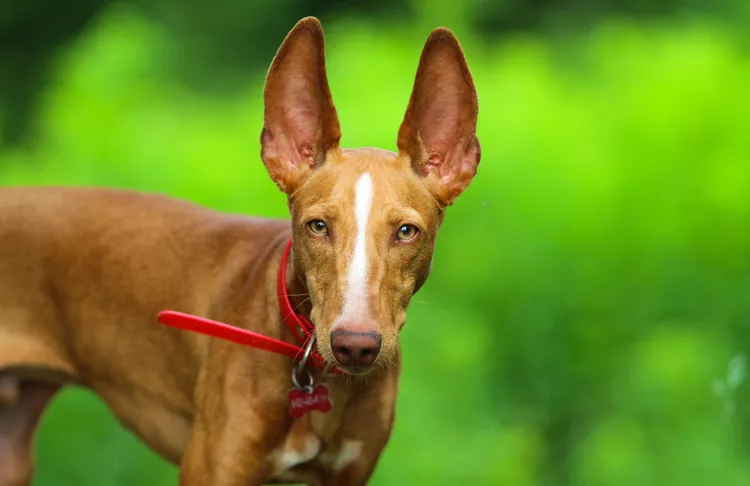
Hailing from Sicily, the Cirneco (pronounced 'cheer-NEK-o') dell'Etna is a good-natured, independent, and athletic sighthound. Their petite size makes them a particularly alluring breed for pet owners who want a sporty dog that isn't overwhelmingly large or domineering. For the majority of their existence, Cirnechi (the plural of Cirneco) were only found in Italy, and the breed is still considered rare in the United States.
Breed Overview
Group: Hound
Height: 18 to 19.5 inches at the shoulder (male), 16.5 to 18 inches at the shoulder (female)
Weight: 22 to 26 pounds (male), 17 to 22 pounds (female)
Coat: Very short and smooth
Coat Color: Chestnut or tan, occasionally with patches of white around the neck and shoulders
Life Span: 12 to 14 years
Temperament: Gentle, affectionate, calm, active, loyal, independent, sweet-tempered
Hypoallergenic: No
Origin: Italy
Characteristics of the Cirneco dell'Etna
Cirnechi were originally bred as fast-moving hunting dogs, but they can be calm, low-maintenance house dogs, perfect for active owners or families with older children. Although Cirnechi can get along with other pets, it's best to start socialization early and introduce them very slowly. Cirnechi are considered high energy and need at least 30 minutes to one hour of exercise every day. They aren't very tolerant of being left alone, either, so if your family has a very busy schedule or if you're away from the home often, you may want to consider a different breed.
History of the Cirneco dell'Etna
The word "Cirneco" comes from the Greek word "Kyrenaikos," meaning "of Cyrene," an ancient Greek city near modern-day Libya; "dell'Etna" comes from Mount Etna in Sicily. Accordingly, it's believed the Cirneco dell'Etna originated in Sicily and were propagated by dogs that traveled on Phoenician merchant ships. They were originally used to hunt smaller game, like rabbits and hares.
The Cirneco dell'Etna is often described as resembling the Pharaoh Hounds depicted in ancient Egyptian art. While Cirnechi aren't quite as old as ancient Egyptian dogs, they are one of the older breeds—Sicilian coins dating back to 500 BC show depictions of dogs that resemble today's Cirneco dell'Etna.
Prior to 1932, Cirnechi were typically only found on the island of Sicily. Then, a veterinarian named Maurizio Migneco visited Sicily and wrote an article covering the declining Cirnechi population. An Italian aristocrat named Baroness Agata Paternó Castello read Migneco's article and felt moved to revive the breed. She made it her life goal to increase Cirnechi populations, and worked to do so until she died.
The Cirneco dell'Etna was recognized by the Italian National Kennel Club in 1939, but wouldn't be recognized by the American Kennel Club until 2015. Today, the Cirneco dell'Etna is still somewhat rare in the United States, ranking 183rd out of 195 breeds.
Cirneco dell'Etna Care
Cirnechi have pretty minimal needs, and won't require much-specialized care in order to thrive. As with all dogs, make sure you have the ability to play with them often and spend ample time together. Cirnechi can be especially susceptible to anxiety when left alone, so if you plan on being out for the day make sure to give them TLC before leaving and after returning home.
Exercise
The Cirneco dell'Etna has high energy levels and even higher exercise needs. For this breed, a lack of exercise can lead to quick weight gain. Aim for at least 30 minutes to an hour of walking each day, with active play sessions in-between. They're also intelligent dogs, so incorporating mental stimulation, like puzzles, into their daily routine can keep them engaged and stimulated.
Grooming
Thanks to their short, smooth coats, Cirnechi have minimal grooming needs. Brush your Cirneco with a soft brush or a hound mat once per week, and bathe them as needed. Though they do shed a bit, Cirnechi are considered a good choice for people with allergies.
Cirnechi have ears that stick straight up, so it's important to examine the ears several times per week. You can use a soft, cotton cloth to gently remove any dirt, debris, or waxy build-up. Avoid cotton swabs, as they can damage the delicate inner-ear structures. If your dog's ears are red, inflamed, or smell funny, make an appointment with your vet as soon as possible, as these may be signs of infection
Like all dog breeds, it's important to keep your Cirneco's teeth and gums healthy. Daily tooth brushing is ideal, but brushing your dog's teeth even once per week can help protect him or her against oral disease.
Training
Cirnechi are intelligent dogs and are considered easy to train if the trainer uses food-based rewards and positive reinforcement. You can try do-it-yourself dog training or find a local trainer who can help you. Early socialization is also vital in Cirnechi, especially if you plan to introduce him or her to another pet or want to frequent local dog parks often.
Common Health Problems
The Cirneco dell'Etna is generally considered a hardy, healthy dog and there are no recommended health tests from the American Kennel Club. There's no guarantee that your dog will or won't develop certain health conditions, so it's important to talk to your veterinarian about the steps you can take to ensure your dog lives a long, happy, healthy life.
Diet and Nutrition
Cirnechi are prone to weight gain if overfed, which can lead to serious health issues, like heart disease and diabetes. Look for a dog food that's formulated for highly active, medium-sized breeds. You can refer to the feeding guide from your preferred dog food brand to determine exactly how much to feed your Cirneco or ask your veterinarian.
Where to Adopt or Buy a Cirneco dell'Etna
Cirnechi are considered rare in the United States, so you may have a hard time locating one in a shelter. Try searching for a Cirnechi rescue group in your area, or use the breed filter on sites like Petfinder.com to see if there are any Cirnechi available near you.
If you decide to purchase a Cirneco dell'Etna from a breeder, be sure to work with a reputable, ethical breeder. If possible, visit the breeding site and look out for the signs of backyard breeding. Ask lots of questions and try to meet the parents of your litter. Expect that any breeder you find may have a waiting list for puppies.
Cirneco dell'Etna Overview
Calm and good-natured
Easy to groom and can be suitable for those with allergies
Can thrive in smaller spaces
High energy and high exercise needs
Needs early socialization and slow introductions with other pets
Can be difficult to find from a breeder or adoption agency
More Dog Breeds and Further Research
The Cirneco dell'Etna can make an excellent pet for active families Before you determine if this is the right breed for you, make sure to do ample research and talk to other owners when possible.
If you're interested in similar breeds, check out:
-
Is the Cirneco dell'Etna good apartment dogs?
Yes—the Cirneco dell'Etna can do very well in small homes or apartments, as long as you still consistently give them plenty of exercise and time outdoors.
-
Is the Cirneco dell'Etna rare?
Cirnechi are still most prevalently seen in Italy and are considered rare in the United States. Because of this, you may have a hard time finding a dog to rescue or a breeder local to you who has puppies available.
-
Are Cirneco dell'Etna good family dogs?
Cirnechi are good-natured and calm, two factors that can make them excellent family dogs. In generally, they are a very active breed, and would benefit most from a family with older children who can be active alongside them.
New