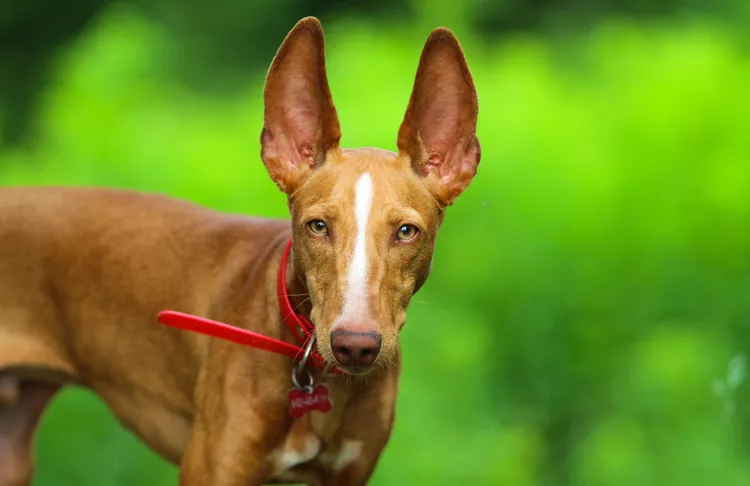
The pointer is a medium-size sporting dog breed from England with a short, smooth coat that can come in a variety of colors and patterns. The pointer’s shape is instantly recognizable; both its long head and slender tail help do their job of pointing toward game for the hunter. A pointer will stand tall and still with one foot off the ground, tail extended, and nose upturned to point the hunter in the right direction. While they were bred to be dependable hunting dogs, pointers also have become active, affectionate, playful, and sometimes mischievous companions at home.
Breed Overview
Group: Sporting
Height: 23 to 26 inches (female), 25 to 28 inches (male)
Weight: 45 to 65 pounds (female), 55 to 75 pounds (male)
Coat: Short, smooth
Coat Color: Black, black and white, lemon, lemon and white, liver, liver and white, orange, or orange and white with/without ticked markings, black points, liver points, or self-colored points
Life Span: 12 to 17 years
Temperament: Affectionate, even-tempered, energetic
Hypoallergenic: No
Origin: England
Characteristics of the Pointer
Pointers tend to have a loyal and eager-to-please personality. They’re generally friendly and adaptable. A high energy level also shapes their temperament, and they prefer an active lifestyle.
History of the Pointer
The origin of the pointer isn’t clear. But a common theory is the breed is a descendant of Spanish pointers that arrived in England during the 1700s. English breeders added other dogs to the mix, including setters, bloodhounds, foxhounds, and greyhounds.
What resulted was a devoted hunting dog that was swift and agile. Hunters would use pointers in tandem with their hounds. The pointers would locate and then point toward the prey with their bodies, and the hounds would move in to secure the prey. Pointers are said to start showing this hunting instinct as early as 2 months old.
Pointers were first registered in the U.S. in 1878, and the American Kennel Club officially recognized them upon its founding in 1884. Today, pointers are still used for hunting. They also tend to excel as search-and-rescue dogs, as well as therapy and service dogs.
Pointer Care
Plan to give your pointer lots of exercise each day. Fortunately, its grooming needs are relatively straightforward, and the breed typically takes well to training.
Exercise
Aim for at least two hours per day of exercise for a pointer. Long walks, running, cycling, hiking, and play sessions all are ideal ways to burn some energy. Many pointers also enjoy dog sports, such as agility and tracking, which can exercise their minds and bodies. When a pointer doesn't receive sufficient mental stimulation and exercise, it might engage in problem behaviors in the house, such as excessive chewing.
It’s best that a pointer has access to a securely fenced yard where it can run freely to burn energy. Be sure either to keep your dog in a fenced area or on a leash when outside. Otherwise, a pointer’s high prey drive might cause it to run off chasing perceived prey.
Grooming
The pointer doesn’t shed or drool excessively. Brush your pointer weekly to remove loose fur and distribute skin oils. Plan on a bath every month or so, depending on how dirty your dog gets. Look in its ears at least weekly for dirt, wax buildup, and other abnormalities. Also, check your dog’s nails roughly every month to see whether they need a trim. Aim to brush its teeth daily.
Training
Begin training and socializing your pointer ideally when it’s a puppy. A puppy class is a great way for your dog to learn basic commands and manners. Always use positive-reinforcement training methods, such as treats and praise. Pointers can be sensitive to harsh corrections. Be consistent in your commands.
Pointers tend to do well with other dogs, especially when socialized from a young age. They even are typically good about meeting strangers. But they might view smaller household pets as prey.
Common Health Problems
Pointers are overall a very healthy dog breed. But they are prone to some hereditary health issues, including:
- Hip dysplasia
- Bloat
- Eye diseases
- Autoimmune thyroiditis
Diet and Nutrition
Always have fresh water accessible for your dog. Feed your pointer a quality canine diet that’s nutritionally balanced. Discuss the amount and type of food with your vet. Two measured meals per day are common. But because pointers are prone to bloat and potentially life-threatening stomach twisting, which can arise from eating too quickly, you might want to feed smaller, more frequent meals. Food puzzles also can help to slow down their eating.
Where to Adopt or Buy a Pointer
Pointers aren’t a highly popular dog breed, but they still can be found for adoption. So it’s worth checking your local animal shelters and rescue groups for a dog in need of a home. If you’re looking for a puppy from a reputable breeder, expect to pay around $900 to $1,500 on average.
For further information to help you find a pointer, check out:
Pointer Overview
Trainable and eager to please
Affectionate and playful
Good for active owners
Requires lots of daily exercise and mental stimulation
High prey drive
Not ideal for apartment living
More Dog Breeds and Further Research
Do thorough research before bringing home a pointer to make sure the breed is right for your lifestyle. Talk to pointer owners, rescue groups, reputable breeders, and veterinary professionals. Spend some time around pointers, too, if possible.
If you’re interested in similar breeds, check out:
There’s a whole world of potential dog breeds out there—with a little research, you can find the right one to bring home!
-
Are pointers good family dogs?
Well-trained and socialized pointers are moderately good with children in general. They could be fine for a household with respectful older children, but they might be too exuberant around young kids.
-
Are pointers aggressive?
Pointers generally have a moderately watchful personality, and they are often open to meeting strangers. When they've been well trained and socialized, aggression isn't common.
-
Are pointers good apartment dogs?
Pointers are best suited for a home with a yard that gives them the opportunity to run freely. They might be too large and energetic for an apartment unless you're able to take them outside for a sufficient amount of time each day.
New